
Le Marais
Le Marais combines heritage, contemporary creativity and everyday neighbourhood life. Explore early in the morning or later in the day, between Musée Carnavalet, Place des Vosges and the historic mansions.

Choose your Paris programme
Choose a Paris area by atmosphere, landmarks, walking ideas and practical constraints.
Explore areas · Explore districts · Choose a walk · Compare attractions
29 pages found.
Le Marais combines heritage, contemporary creativity and everyday neighbourhood life. Explore early in the morning or later in the day, between Musée Carnavalet, Place des Vosges and the historic mansions.
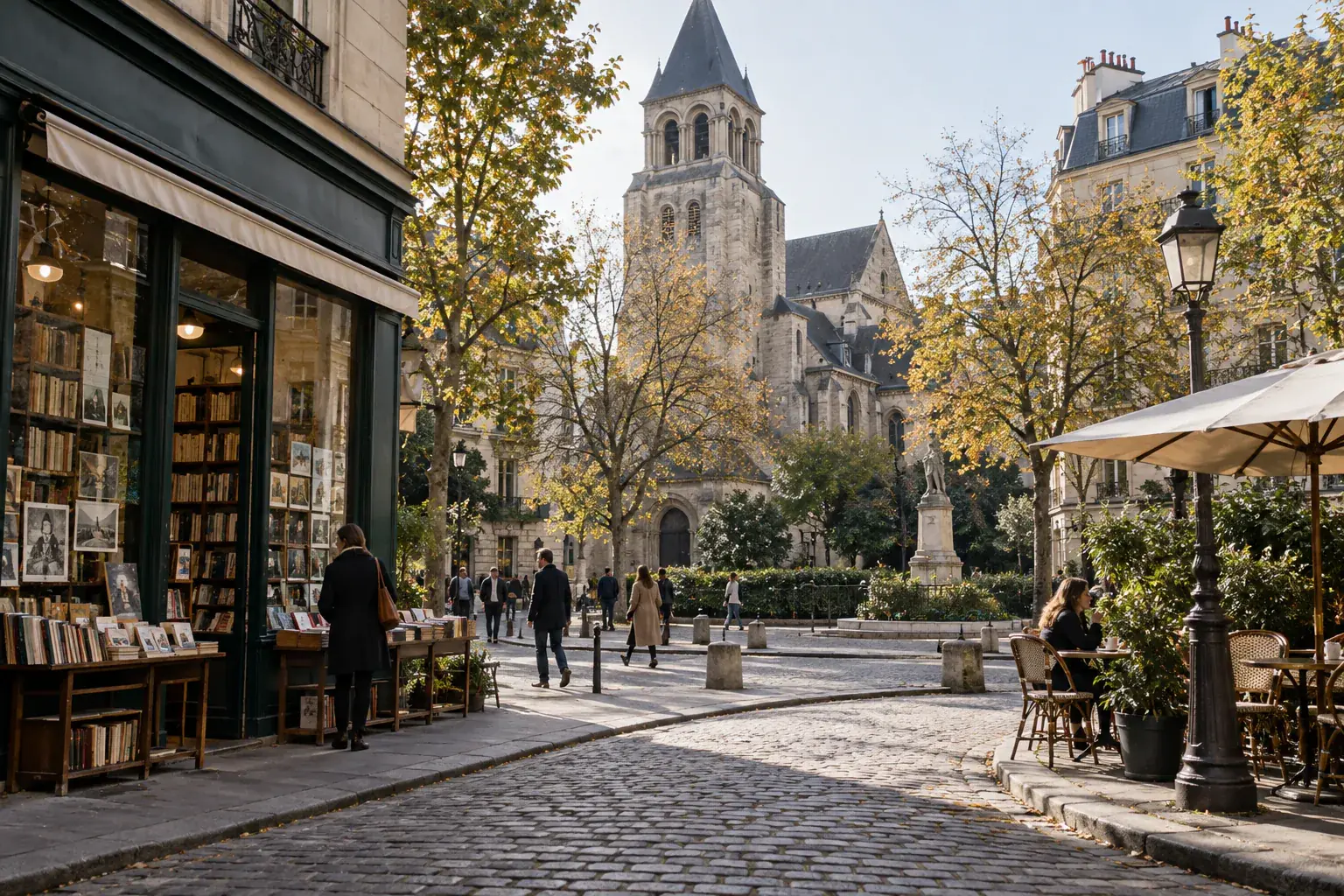
On the Left Bank, Saint-Germain-des-Prés links historic cafés, bookshops, galleries and small squares. Combine the area with Luxembourg Garden or the Seine quays.
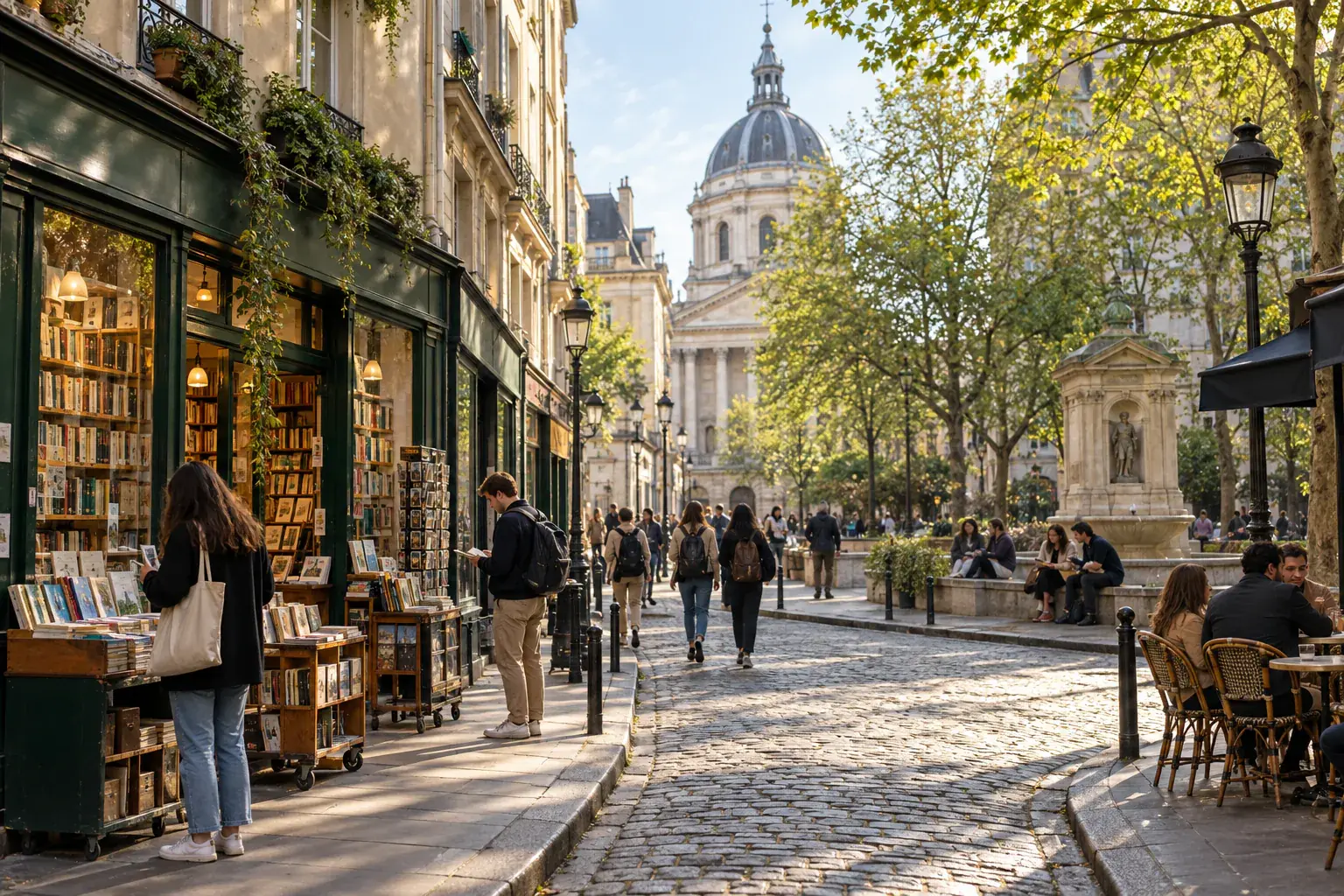
The Latin Quarter brings together universities, ancient monuments, bookshops and gardens. To see its contrasts, climb towards Montagne Sainte-Geneviève, then descend through Rue Mouffetard.
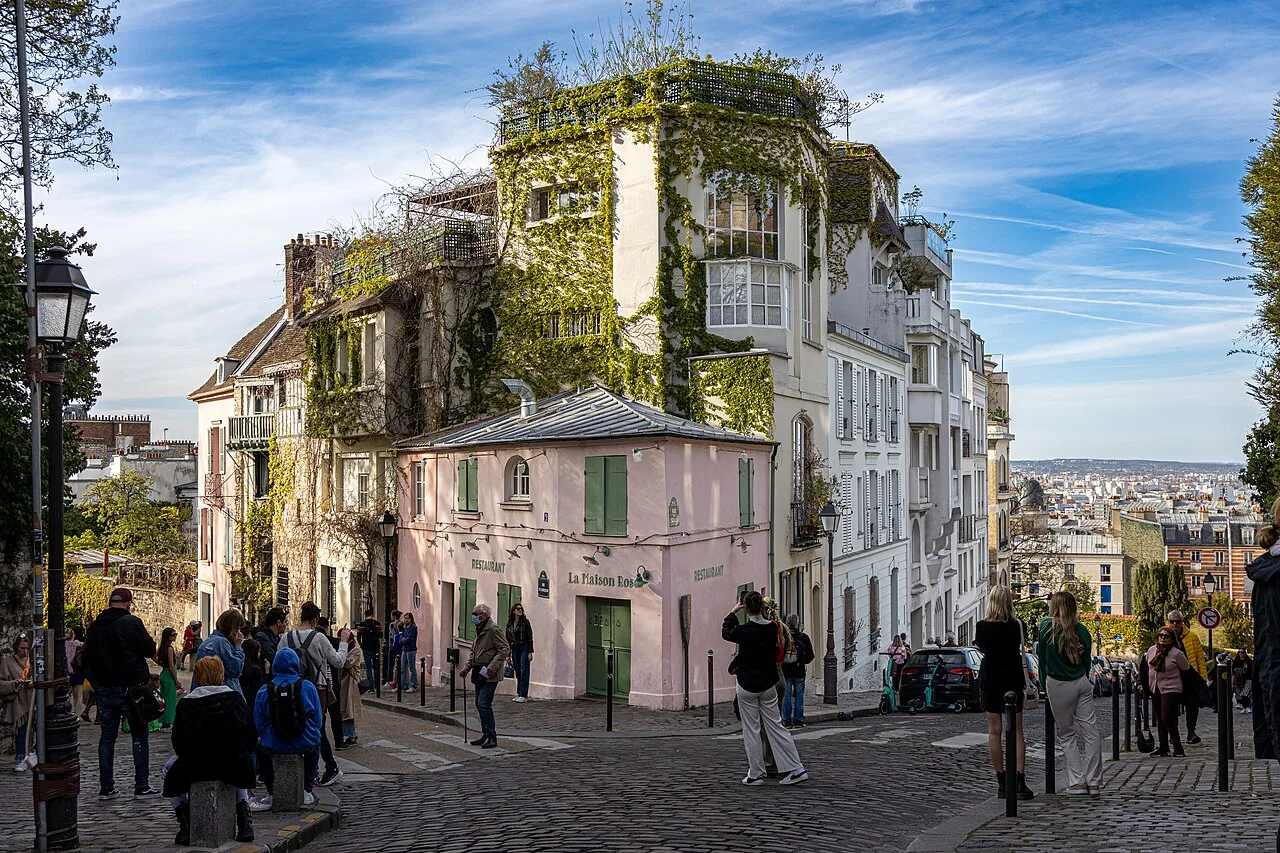
Montmartre reveals more of its character away from its busiest approach. Arriving through Lamarck–Caulaincourt lets you gradually reach the gardens, studios and viewpoints of the hill.

Around the Grands Boulevards, covered passages offer sheltered stretches among mosaics, glass roofs, booksellers and older shopfronts. They are a useful walking option in uncertain weather.

Belleville is a lively, creative part of Paris. Its slopes link studios, street art, international food and viewpoints across the capital.
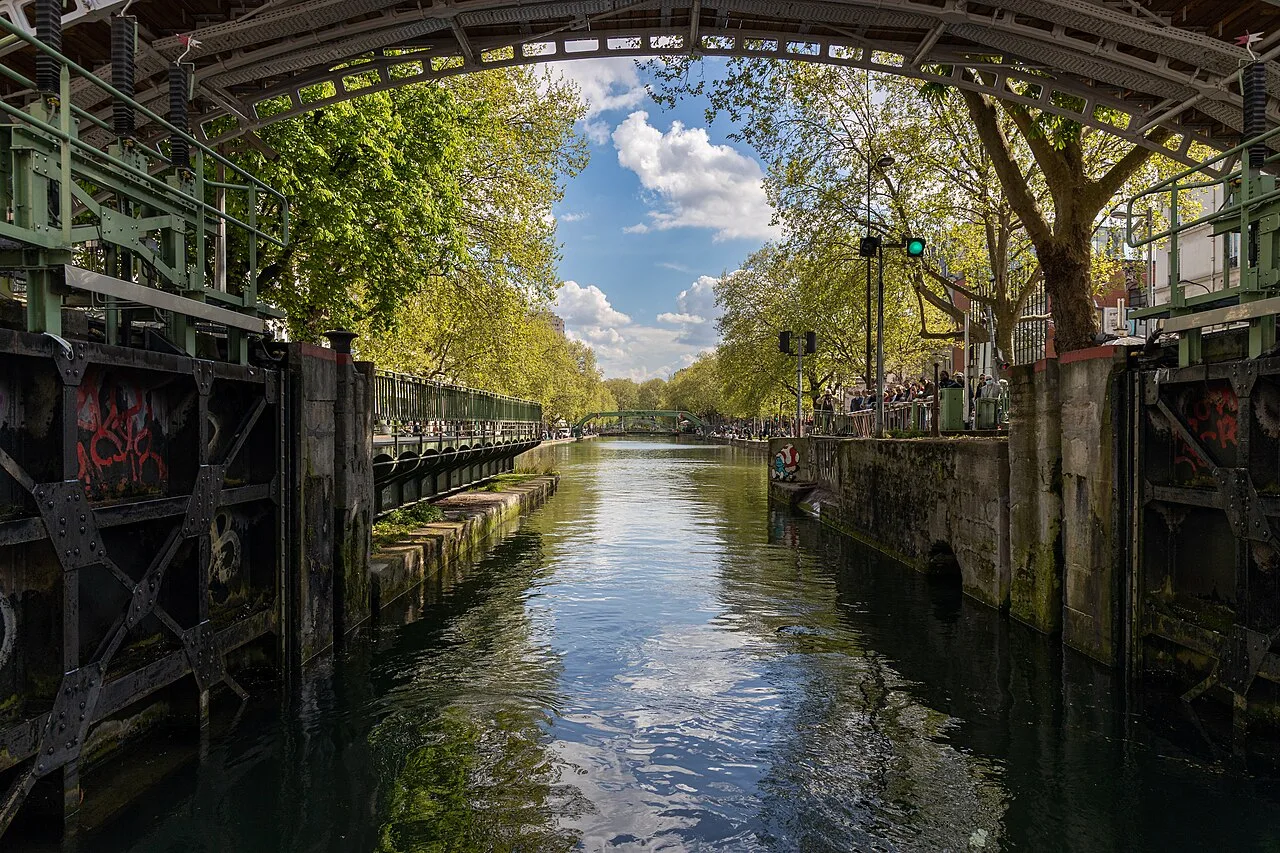
From Square Frédérick-Lemaître towards Bassin de la Villette, the canal landscape includes footbridges, locks and quays. Nearby streets add workshops, small shops and everyday façades to the walk.

Les Batignolles combines a village-like atmosphere around Rue des Moines with a contemporary landscape near Martin-Luther-King Park. It suits a late-morning walk.

Butte-aux-Cailles keeps an intimate scale above the large avenues of the 13th district. Sloping streets, low houses and changing street art encourage a walk with a flexible plan.

La Villette is an open landscape where canals connect lawns, contemporary architecture, concert venues and science attractions. You can visit an exhibition or simply walk beside the water.
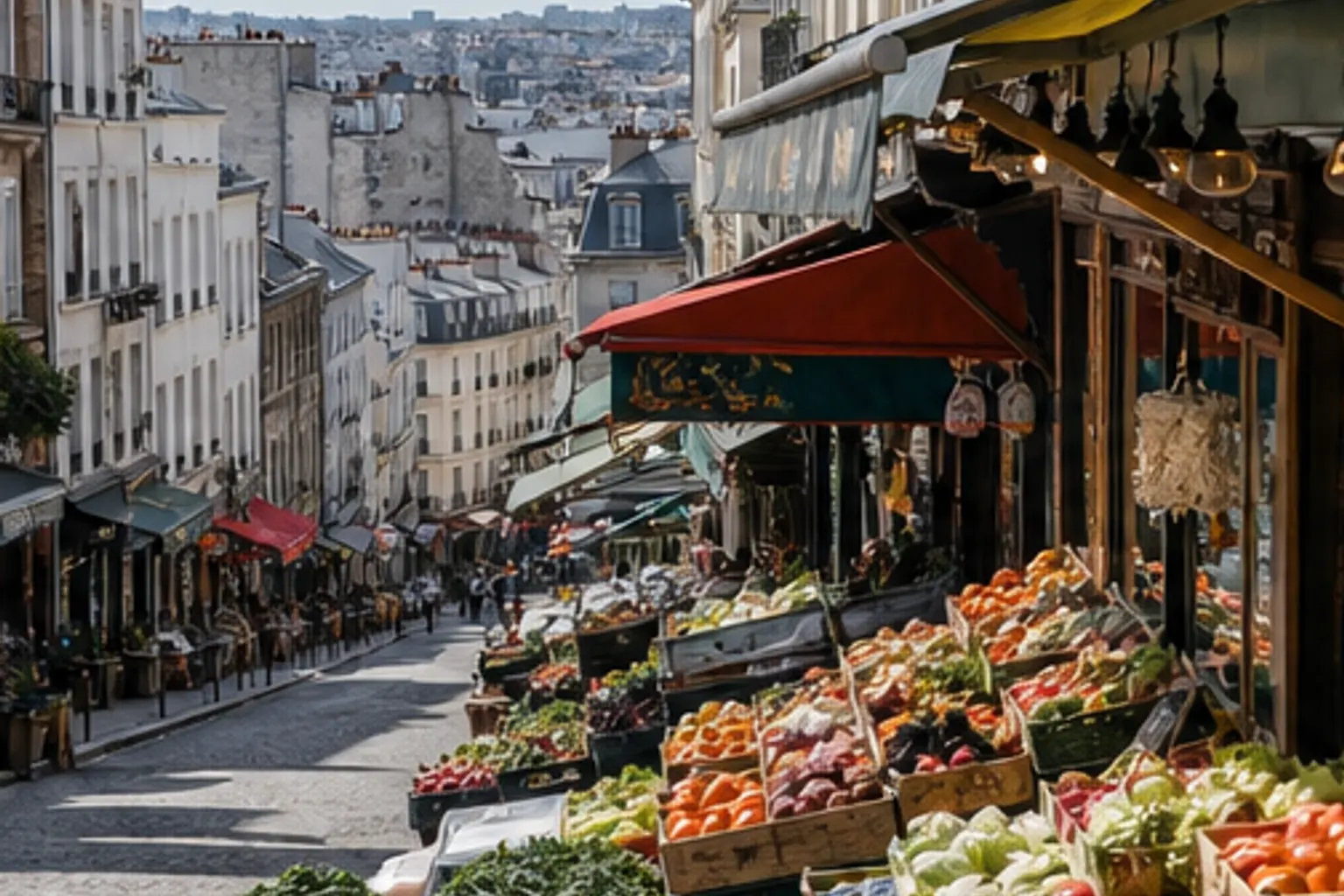
Around Rue Mouffetard, the southern Latin Quarter keeps an everyday character of food shops, small squares, churches and sloping passages.

Aligre centres on its covered and outdoor markets. Nearby streets, craft passages and the Coulée verte make it a good starting point for a morning outing.
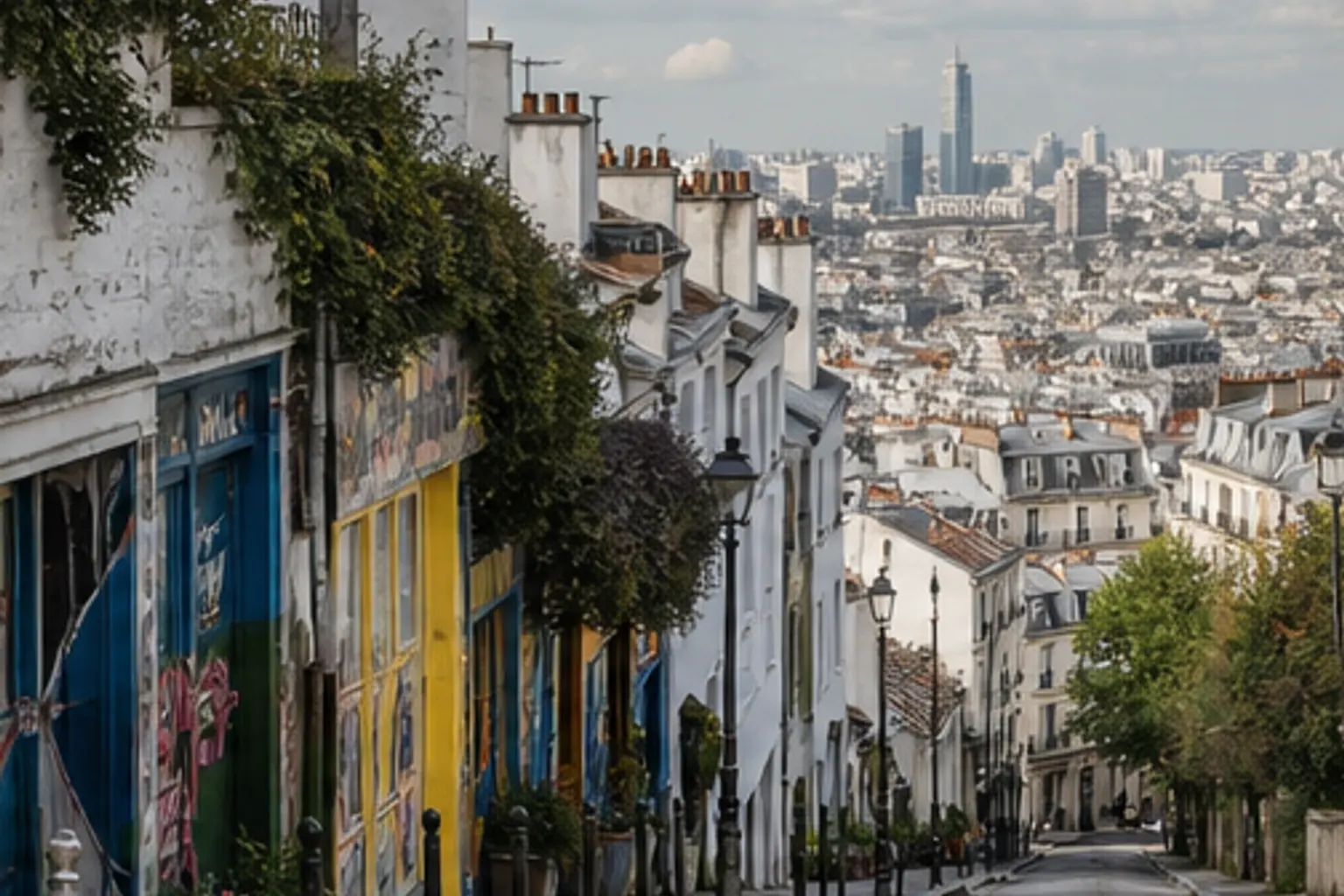
Ménilmontant links the heights of Belleville with Père-Lachaise through neighbourhood streets, studios, shared gardens and small performance venues.
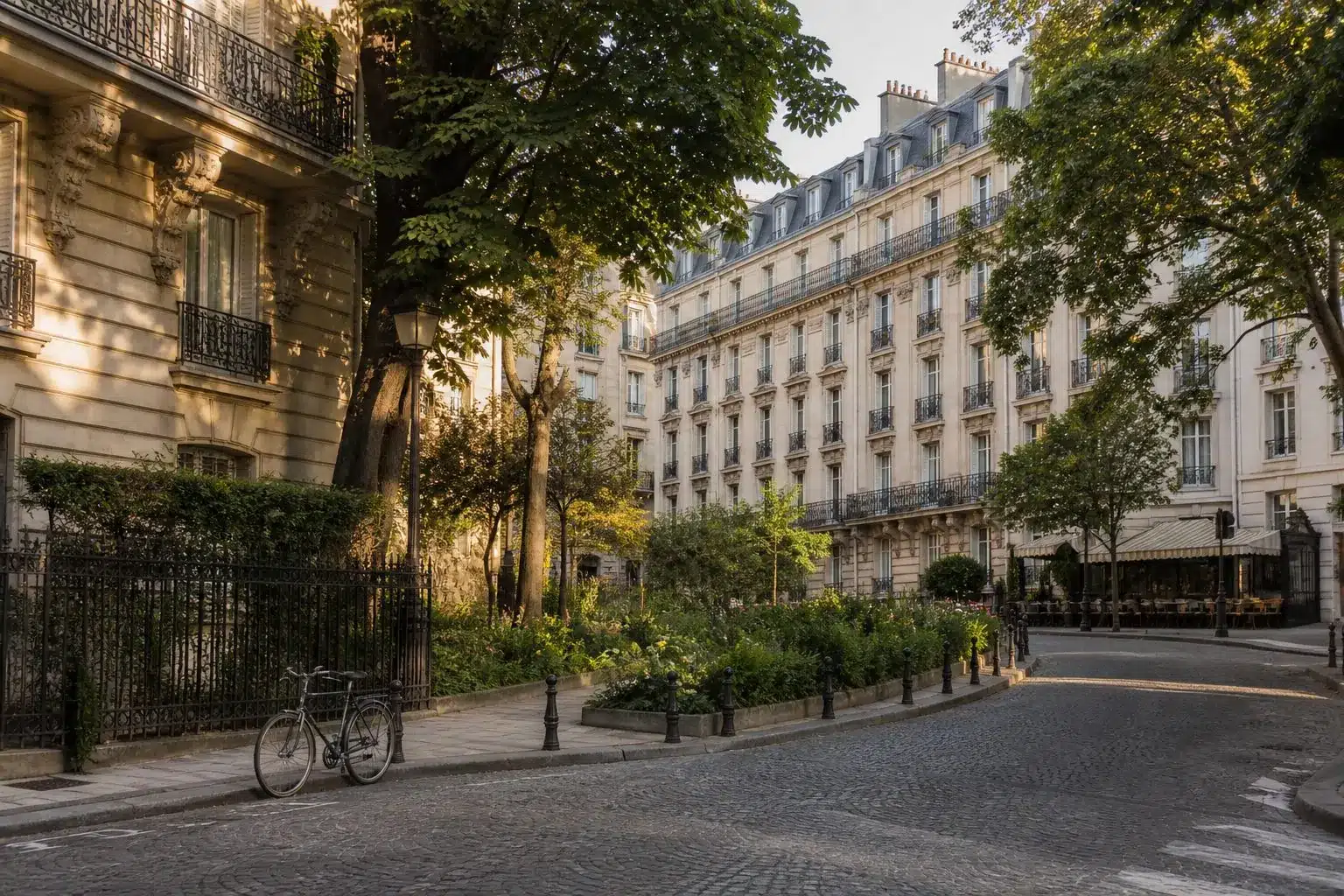
Passy reveals residential Paris through older village streets, private villas, museums and river perspectives. Its slopes create interesting transitions towards the Trocadéro.
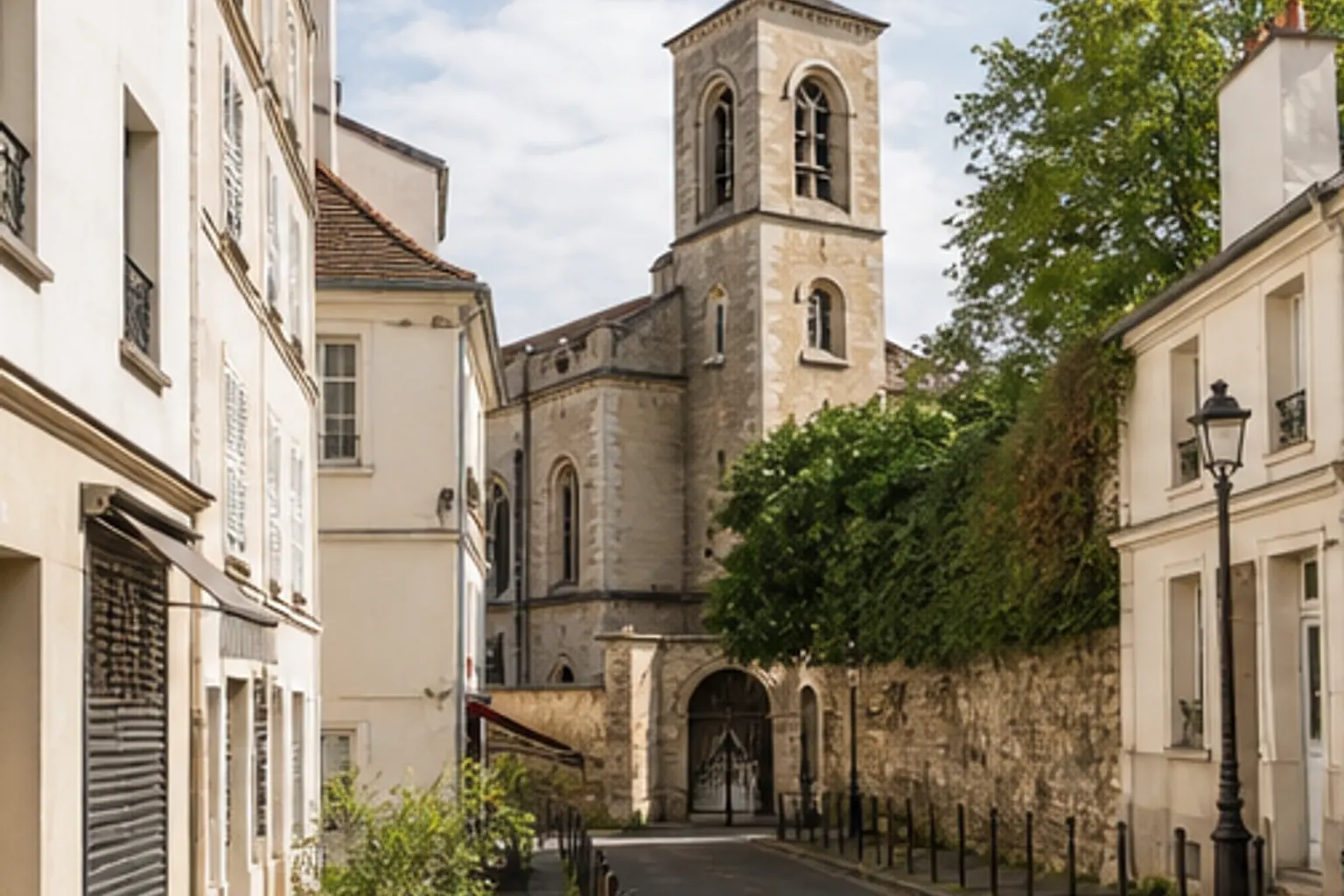
Around Saint-Germain de Charonne church, small-scale streets and stone walls recall the older village absorbed into Paris.
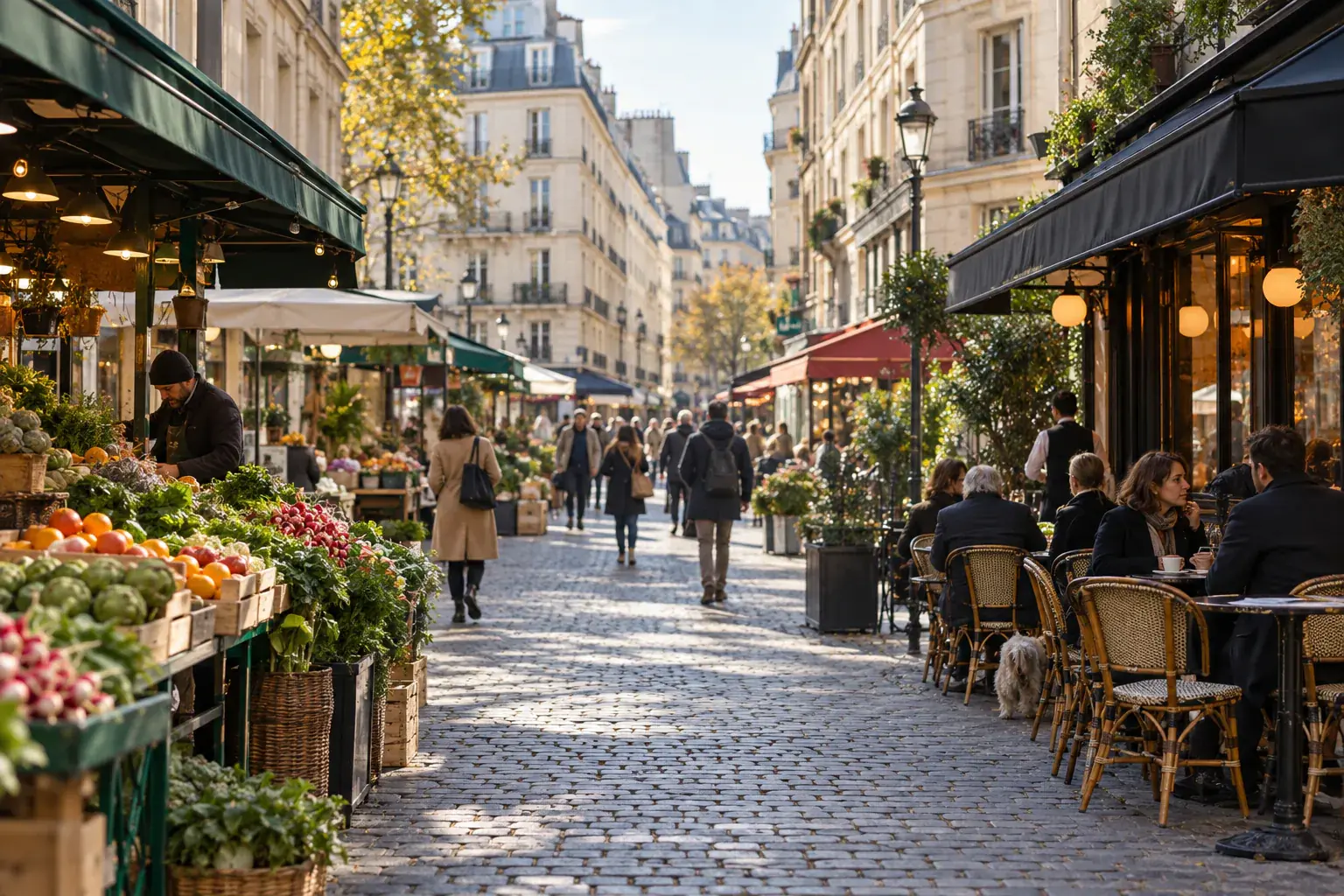
Rue Montorgueil and nearby Le Sentier link food shopping, older textile courtyards and discreet passages. The atmosphere changes quickly between Les Halles and the Grands Boulevards.

Between Place de la Bastille and Rue de la Roquette, the area mixes craft courtyards, small venues, cafés and residential streets. Side passages provide useful detours.
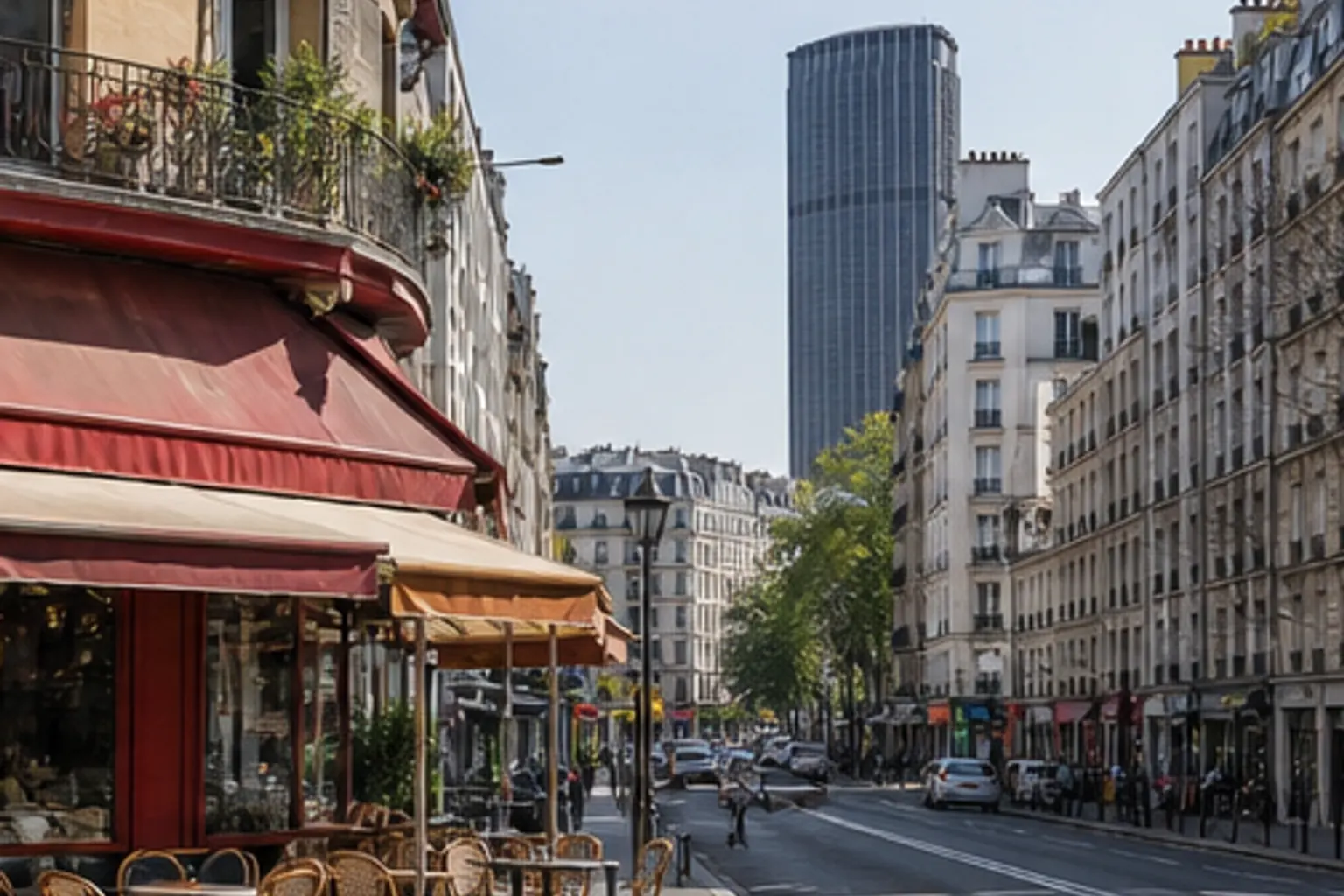
Behind its main roads, Montparnasse preserves memories of 20th-century artists, cafés and studios. Museums and the cemetery help reveal these figures and their surroundings.

Once an industrial area, Javel now opens its residential landscape onto the Seine. Parc André-Citroën, the quays and riverfront architecture structure the walk.

At the foot of Montmartre, Goutte-d’Or is a dense, cosmopolitan neighbourhood where markets, textile shops, international food and cultural projects coexist.

Île de la Cité and Île Saint-Louis bring together monuments, lower quays, discreet squares and views of both riverbanks. An early start makes the walk easier before the crowds.

Between Jardin Nelson-Mandela, Saint-Eustache and the older streets, this area reveals centuries of change above a major transport interchange.

Around République, the former outer neighbourhoods link shopping streets, craft passages, performance venues and places of social memory.

Bercy combines traces of its wine warehouses with a large park, contemporary cultural architecture and an opening onto the Seine.

Around the BnF, a newer part of Paris connects universities, former railway land, towers, footbridges and open quays.

Parc Montsouris, surrounding villas and the Cité internationale universitaire form a green, residential southern Paris with architecture associated with many countries.
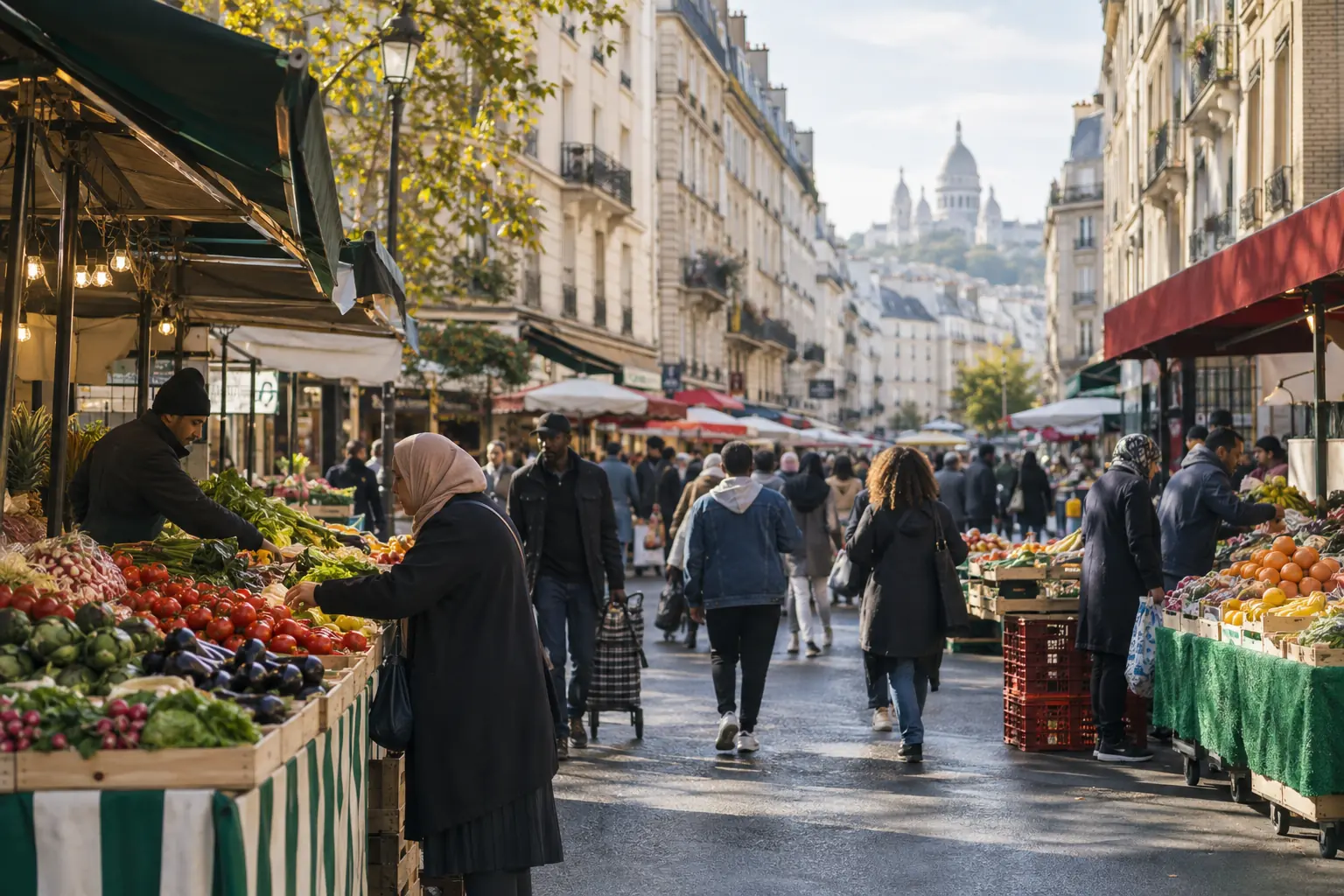
In northern Paris, La Chapelle is explored through local shops, markets and busy streets. Rue de l’Olive, Place de la Chapelle and the edges of major railway routes reveal a diverse area that rewards an attentive walk.
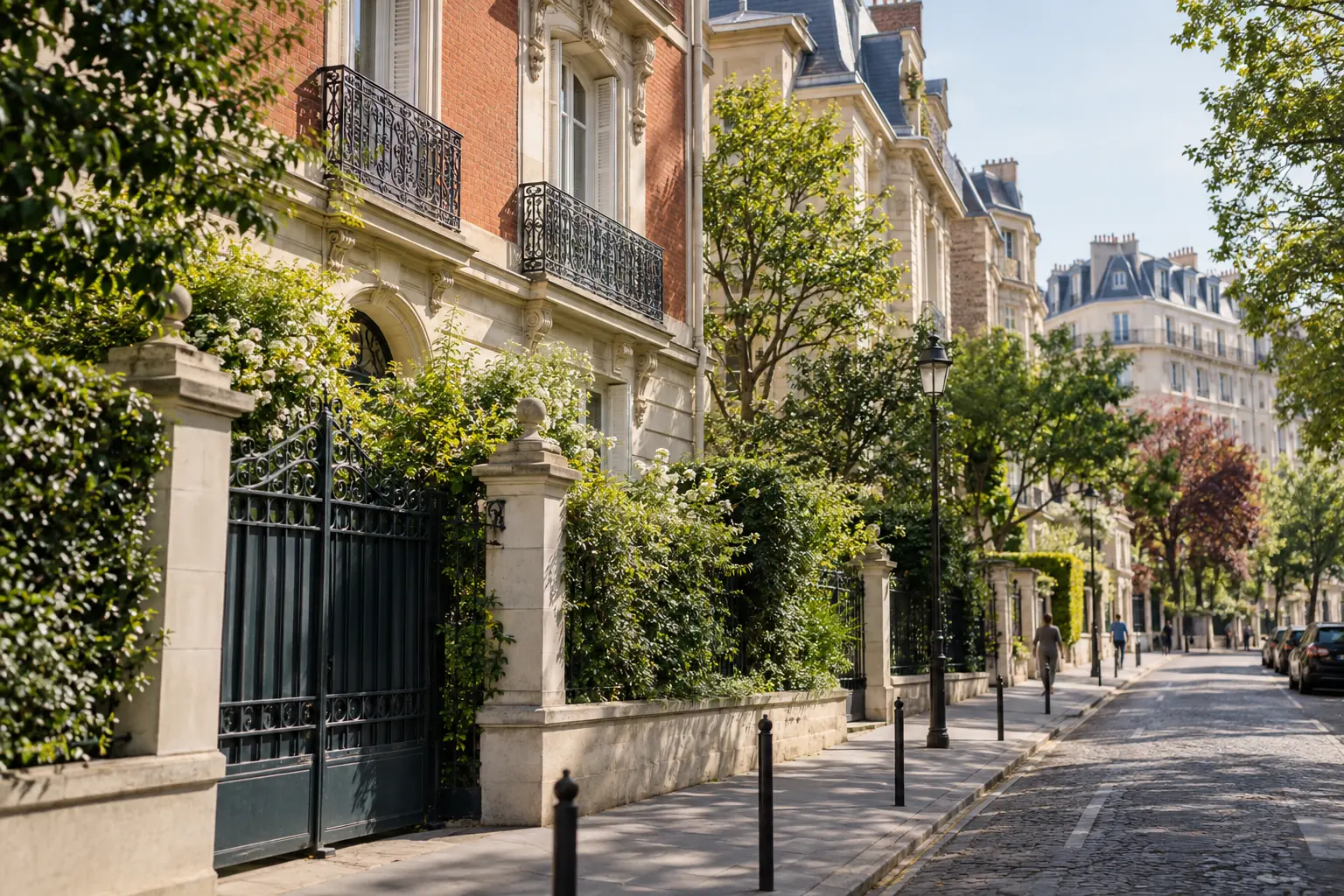
Auteuil shows a residential side of western Paris, with smaller streets, architecture from different periods and nearby green spaces. Walk slowly from Notre-Dame-d’Auteuil towards quieter streets and the Jardin des Serres d’Auteuil.
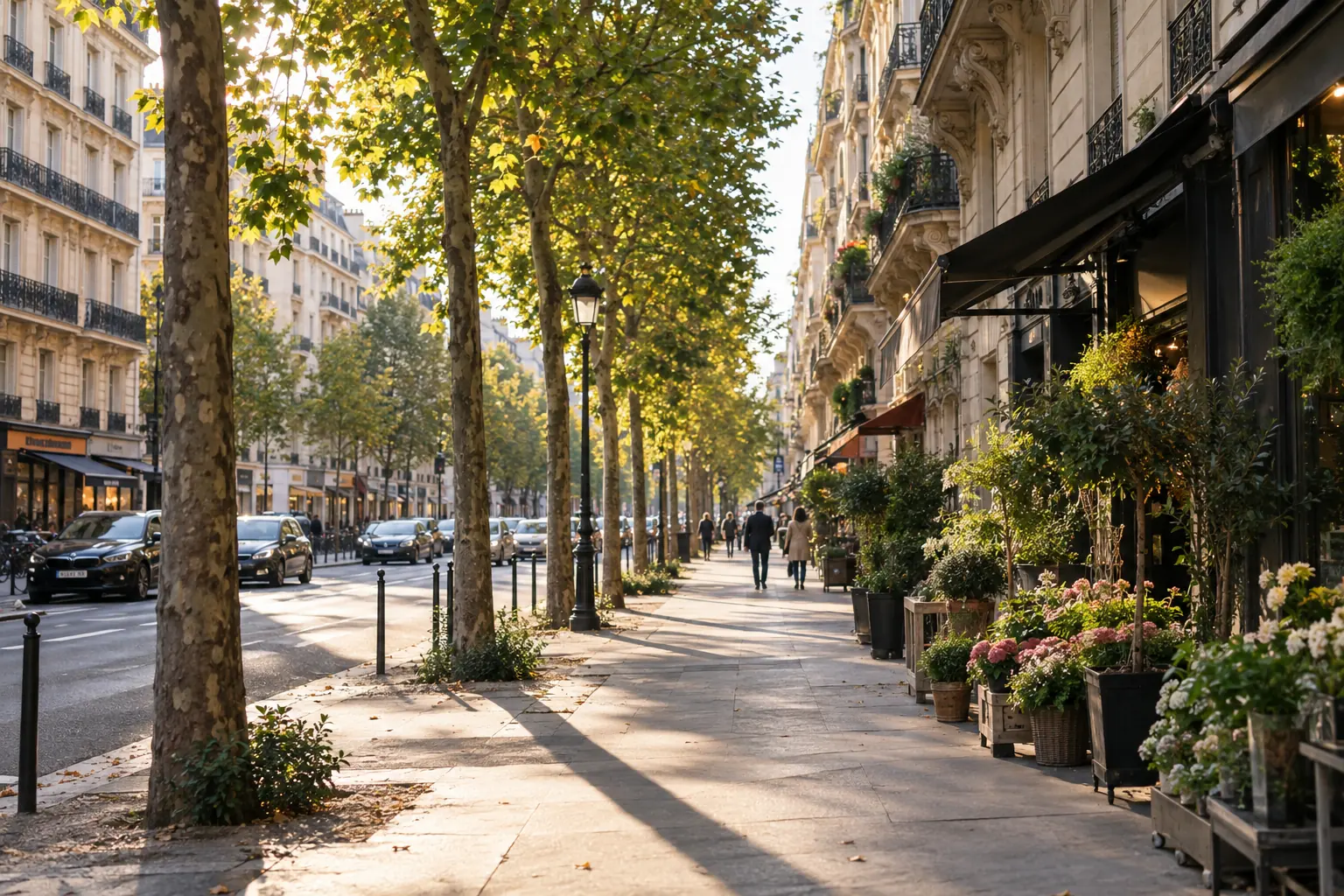
Around Avenue des Ternes, the 17th district combines broad roads, shops and residential streets. Compare the busier shopping area with quieter nearby streets, then choose Parc Monceau or Porte Maillot according to your time.